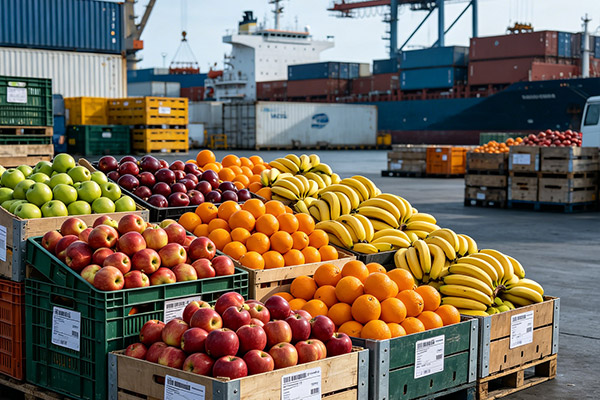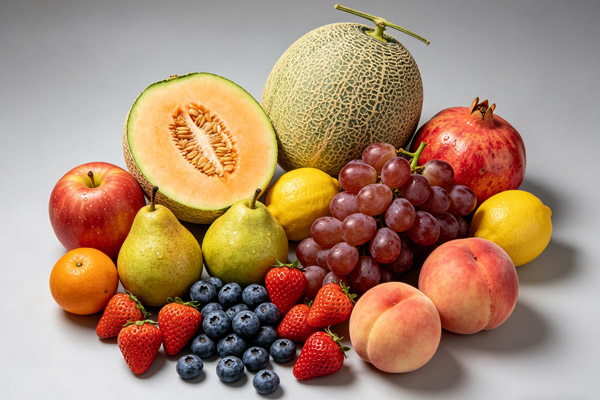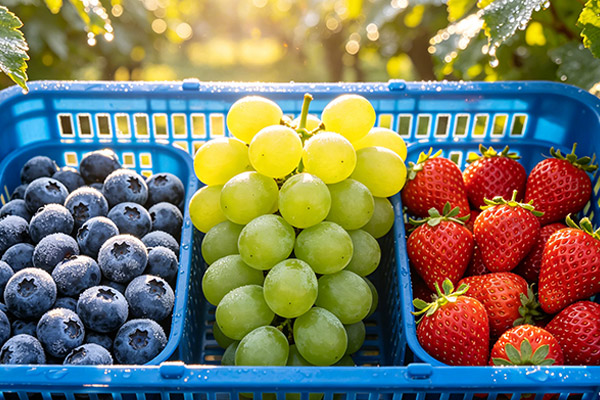
In international fruit trade, temperature control during transportation directly determines the quality of goods upon arrival. It can be said that temperature is the "lifeline" of fruit transportation across oceans.
Different fruits have different 'comfort zones'
Each fruit has its optimal storage and transportation temperature. For example:
Apples and pears: -1 ° C to 1 ° C
Citrus fruits: 4 ° C to 8 ° C
Bananas and mangoes: 12 ° C to 15 ° C
Blueberries and strawberries: -0.5 ° C to 0 ° C
If tropical fruits (such as mangoes) are mixed with temperate fruits (such as apples) in the same temperature zone, it can cause mangoes to suffer from cold damage, their skin to turn black, or apples to ripen too quickly.
Temperature fluctuations are more terrifying than temperature itself
A more common issue than 'temperature mismatch' is' temperature fluctuations'. Frequent switching of container refrigeration equipment can cause temperature fluctuations, leading to condensation on the surface of fruits and the growth of mold. The ideal cold chain should have a constant temperature throughout the entire process, with fluctuations not exceeding ± 0.5 ° C.
How to avoid temperature issues?
Pre cool the container to the set temperature before loading
Use temperature control equipment with data recording function
Avoid leaving the container parked in the scorching sun for a long time waiting for customs clearance
Only by controlling the temperature to the extreme can fruits maintain their branch like freshness across half the globe.